
If you’ve lived in your Braintree home for years, you probably have a list of things you’ve been meaning to fix. Once you start thinking about selling, it’s easy to feel like you have to finish the whole list before you can put the house on the market.
When I walk through a home with an owner, we talk through what needs attention now, what’s worth getting a quote for, what could complicate the sale, and what can stay as it is.
1. Start with things that don’t work
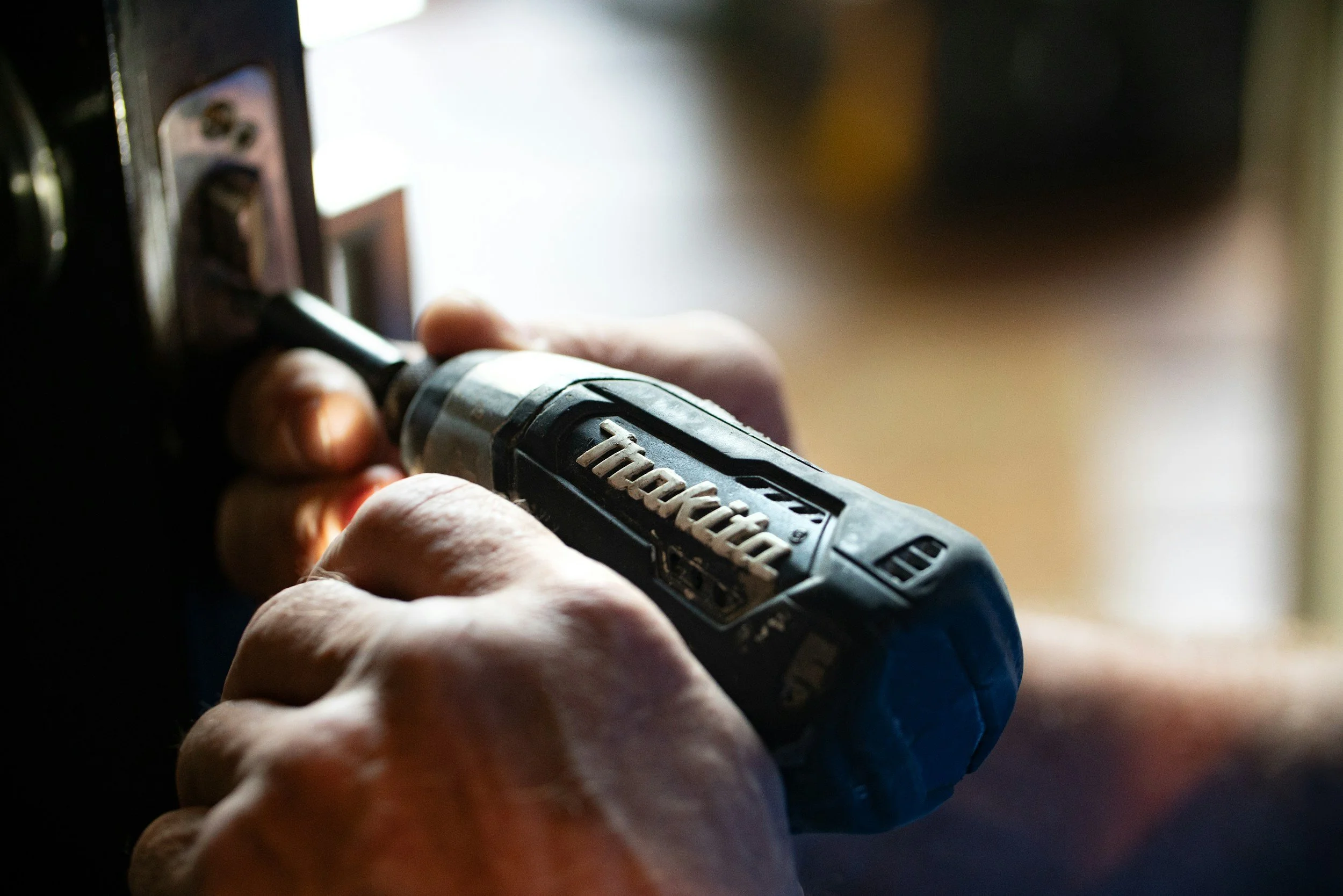
Do you have a toilet that keeps running, a door that won’t latch, or a light fixture that doesn’t work can be reasonable places to start. These are specific problems you can often take care of without spending too much and without turning your home into a construction site.
If you see a water stain or signs of recurring moisture, find out what’s causing it before deciding what to do.
2. Get a quote before committing to a bigger project
Before you take on a renovation to get your home ready to sell, ask yourself how much of that money you’re likely to get back. In the 2025 Cost vs. Value Report for the Boston area, most of the projects studied were estimated to add less to the home’s resale value than they cost to complete.
A kitchen is a good example. The report estimated that a major midrange kitchen remodel would recoup about half its cost at resale. A minor midrange kitchen remodel was one of the exceptions, with an estimated increase in resale value greater than the project cost. These are 2025 Boston-area estimates, and what makes sense for your home depends on its condition and the work you’re considering.
If your kitchen works well and just looks a bit dated, I’d start with a good cleaning, clear counters, and a few touch-ups. If something’s broken or worn out, get a quote for that specific repair before you start pricing a whole renovation.
2025 Cost vs. Value Report for the Boston area
3. Addressing worn out items that could make the home sale more difficult
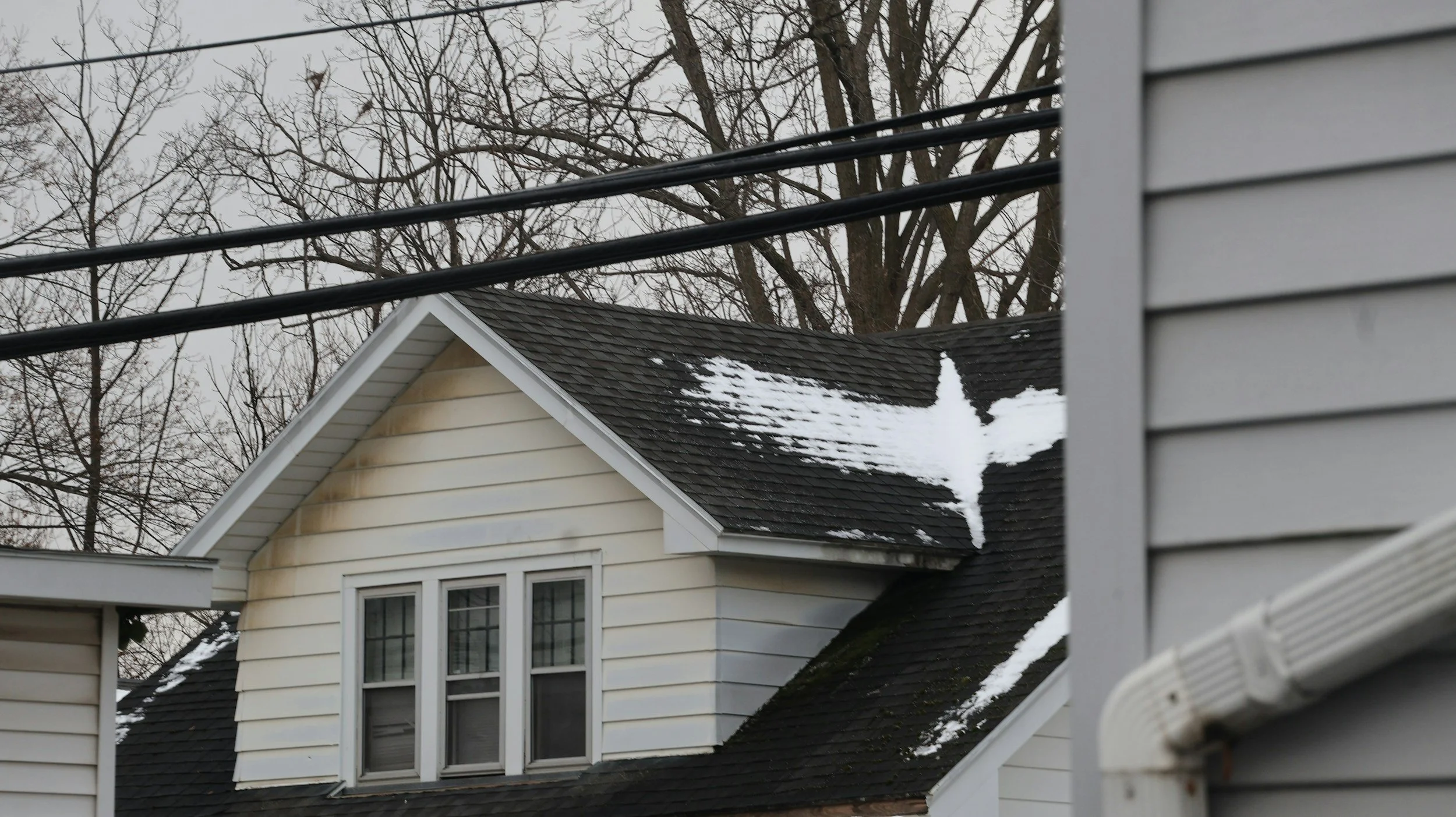
This is a tough one. Sometimes I’ll recommend a repair or replacement because it could give buyers more confidence when they make an offer, address an issue that may come up during the home inspection, or make it easier to get to the closing table. These projects can cost more than the smaller fixes we started with, so it’s worth talking through them first.
For example, if your roof is more than 20 years old, let’s talk about its condition and whether it makes sense to replace it before you sell. Some insurers consider the roof’s age and condition when deciding whether to insure the home. That’s worth looking into before you commit to a replacement.
4. Leave some cosmetic choices for the next owner
Older cabinets, dated tile, or a bathroom color you wouldn’t choose today can often stay if they’re clean and in good working order. Clearing the counters helps buyers see how much workspace they’ll have. Moving a piece of furniture can make it easier to see the layout and the condition of the floor.
If you’ve lived in the house a long time, start with one room and take a photo from the doorway. You may notice a crowded entry or a dark corner you’ve stopped seeing day to day. That can help you decide where an afternoon of work would make a visible difference.
Before you call a contractor
Make a short list of the projects you’re considering and flag the ones that would take the most time or money. Those are the decisions I’d want to talk through with you early, especially if you have a target move date.
Thinking about selling your Braintree home? Let’s walk through what’s worth doing before you list. I’ll help you decide what to tackle first and what can wait, based on your home and your timeline.
Christine McLellan, REALTOR®, CRS
William Raveis Real Estate
781-817-3178
